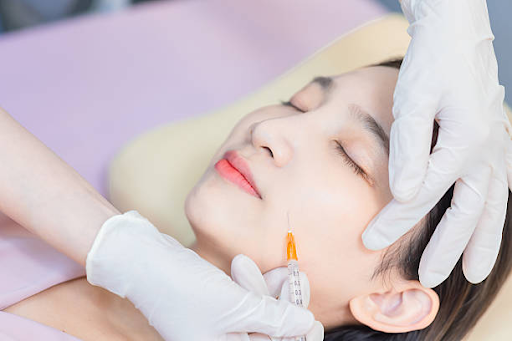
Quick Answer: Are Skin Lightening Injections Safe and Do They Work?
Injectable glutathione for skin whitening is not approved by the FDA for that purpose, and regulators including the FDA and the Philippine FDA have issued public warnings about injectable skin lightening products. The evidence for meaningful, lasting skin lightening from injections is weak, the effect where it exists is modest and reverses when treatment stops, and documented adverse events range from allergic reactions to serious skin and organ complications. If your goal is a more even tone rather than a lighter complexion, there are treatments with far better evidence and a much better safety record, and that is what I recommend to patients instead.
Key Takeaways
- Injectable glutathione is not FDA approved for skin lightening, and both the FDA and other regulators have issued warnings about injectable skin whitening products.
- The evidence for lightening from injections is limited and low quality. Topical and oral forms have somewhat better data, with modest and temporary effects.
- Reported adverse events include allergic reactions, injection site infection, serious skin reactions, and thyroid and kidney effects.
- Product quality is a major variable, since these preparations are often compounded or imported and unregulated.
- Uneven tone and overall complexion are different problems. Uneven tone responds well to treatments with strong evidence behind them.
- Daily broad spectrum sunscreen does more for pigmentation than any injection, and without it every other treatment underperforms.
1. What These Injections Actually Are
Skin lightening injections almost always contain glutathione, sometimes combined with vitamin C, delivered either intravenously or as an intramuscular shot.
Glutathione is a real and important molecule. Your body makes it, and it is the principal antioxidant operating inside your cells. It is involved in detoxification, immune function and control of oxidative stress, and none of that is in dispute.
The skin lightening rationale is that glutathione influences the enzyme tyrosinase, which is central to melanin production, and can shift melanin synthesis from darker eumelanin toward lighter pheomelanin. That mechanism is plausible in a laboratory setting. Whether injecting it produces a meaningful, safe and lasting change in a person's skin colour is a separate question, and that is where the picture gets much thinner.
2. The Regulatory Position Matters Here
I am going to state this plainly, because most pages on this subject do not.
Injectable glutathione is not approved by the US FDA for skin lightening. There is no FDA approved injectable skin whitening product. The FDA has warned consumers about injectable skin lightening and skin whitening products, noting that they are unapproved, that their safety and effectiveness are unknown, and that products obtained outside the regulated supply chain may be contaminated or unsterile.
The Philippine FDA, in a country where the practice is widespread, has gone further and issued a formal advisory against intravenous glutathione for skin whitening, citing serious adverse events reported in association with its use.
None of this means glutathione itself is dangerous. It means that using it as an injectable cosmetic bleaching agent sits outside approved practice, and any clinic offering it should be telling you that up front. If a clinic describes it simply as safe and effective without mentioning any of the above, that tells you something about the clinic.
3. What the Evidence Actually Shows
Here is the honest state of the research.
Glutathione for skin lightening, by route
| Route | Evidence quality | What it shows |
|---|---|---|
| Intravenous or intramuscular | Very limited, mostly uncontrolled | No good trial evidence of meaningful, lasting lightening |
| Oral | Small randomised trials | Modest lightening in some studies, reverses after stopping |
| Topical | Small trials | Modest improvement in tone and pigmentation |
The most cited human work involves oral glutathione at defined doses over a few weeks, with small numbers of participants, showing measurable but modest shifts in skin tone that faded once supplementation stopped. That is a genuine finding and it is a long way from what injectable treatments are marketed to deliver.
For the injectable route specifically, well designed controlled trials showing durable lightening do not exist. Absence of evidence is not proof that something fails, but when a treatment is being sold as established, the burden of proof sits with the claim.
4. The Risks Worth Knowing
Adverse effects reported in association with injectable skin whitening include allergic and hypersensitivity reactions, injection site pain, infection and abscess, and serious skin reactions including Stevens-Johnson syndrome and toxic epidermal necrolysis. Thyroid dysfunction, kidney dysfunction and abdominal pain have also been reported.
Two structural risks compound these. The first is product quality: because these preparations are frequently compounded or imported rather than manufactured under approval, what is in the vial varies, and sterility is not guaranteed. The second is that anything given intravenously carries the ordinary risks of intravenous access, including phlebitis and bloodstream infection, which is why who administers it and under what conditions is not a detail.
There is also a practical one. Reducing melanin reduces your skin's own photoprotection, which increases sun sensitivity and, over time, sun damage. Pursuing a lighter complexion while increasing UV vulnerability tends to work against itself.
5. Uneven Tone and Lighter Skin Are Different Goals
This is the most useful distinction in the whole conversation, and it is the one I raise with patients first.
Most people who ask me about skin lightening do not actually want a different complexion. They want the patches gone: melasma across the cheeks, dark marks left by old acne, sun spots on the forehead and hands, or darkening around the mouth and jawline. What bothers them is the unevenness, not the base colour.
That is good news, because uneven pigmentation is a well understood, treatable problem with genuinely effective options behind it. A systemic injection aimed at lowering melanin everywhere is a blunt approach to a targeted problem, and it does not address the cause of the patches, which is usually sun exposure, inflammation or hormones.
I will also say this directly, because it belongs on a physician's page. There is nothing medically wrong with your natural skin tone, and no treatment I offer is aimed at changing it. What I can help with is pigmentation that is uneven, that appeared after inflammation or sun damage, or that is being driven by a hormonal change.
6. What Actually Works for Uneven Skin Tone
These are the interventions with real evidence, roughly in the order I would use them.
Daily broad spectrum sunscreen, SPF 30 or higher. Unglamorous and non-negotiable. UV exposure drives nearly every pigmentation problem, and every other treatment underperforms without it. Melasma in particular will return within weeks if this step is skipped.
Prescription topicals. Retinoids, azelaic acid, tranexamic acid and hydroquinone under supervision all have solid evidence for pigmentation. They work gradually, over months rather than weeks, and they are the backbone of most treatment plans.
Chemical peels. Effective for post-inflammatory pigmentation and sun damage, with the depth and agent chosen for your skin type. Details on our medical grade chemical peels page.
Microneedling. Useful for textural change and for post-inflammatory marks, and it improves how well topicals absorb.
A targeted pigmentation protocol. Combining the above in the right sequence for your specific pattern is what actually produces change, which is what our hyperpigmentation reversal programme is designed around.
Treating the underlying driver. Melasma is frequently hormonal, linked to pregnancy, oral contraception or thyroid dysfunction. Treating the skin while ignoring the hormonal driver is why some people cycle through treatments without lasting improvement.
An important caution on skin type. Deeper skin tones are at higher risk of post-inflammatory hyperpigmentation from aggressive treatment, meaning the wrong peel or setting can leave you darker than you started. Choosing a clinician experienced with your skin type matters more than choosing a particular device.
7. Where Glutathione Genuinely Fits
None of the above means glutathione has no role. It means the framing matters.
As an antioxidant therapy, glutathione is well established, and intravenous administration bypasses the poor oral absorption that limits capsules. We use it for oxidative stress support, and you can read how we approach it on our glutathione therapy page.
What I will not do is present it as a skin bleaching treatment, because that use is unapproved, thinly evidenced and carries the risks described above. If a patient's skin looks better while their oxidative stress, sleep and inflammation are being properly managed, that is a welcome secondary benefit rather than the reason for the treatment.
8. Questions to Ask Any Clinic Offering This
If you are considering skin lightening injections anywhere, these questions will tell you what kind of practice you are dealing with.
- Is this FDA approved for skin lightening? The honest answer is no, and a clinic that says otherwise is misinforming you.
- Where does the product come from, and is it compounded by a licensed pharmacy?
- Who administers it, and what are their credentials?
- What specific adverse effects have been reported, and what is your protocol if one occurs?
- What happens when I stop?
- What is the evidence you are relying on, specifically?
- Have you assessed whether my actual concern is uneven pigmentation rather than overall tone?
Walk away from guaranteed results, from pressure to buy a package before any assessment, and from any clinic that cannot discuss the risks without prompting.
9. A Better Starting Point
If uneven tone is what is bothering you, start with an assessment rather than a treatment. Melasma, post-inflammatory hyperpigmentation and sun damage look similar to a patient and respond very differently, and treating the wrong one wastes months.
You are welcome to contact our Atlanta practice to talk it through, or call 404-835-2637 if you would rather speak to someone directly.